Under the Hood
← BACKMechanics & Transparency
How It Works
The 333 Collection is not a static NFT drop. It is a living system — one where every token changes state twice a day, every day, forever. This page explains exactly how that works, how it was built, and the real challenges we faced along the way.
The Vision
The 333 Collection started with a simple but unusual question: what if an NFT was not just a static image you owned, but a token that was alive — one that responded to time, that changed on its own, that gave holders something to look forward to every single day?
The number 333 is an angel number (thank you CH ❤️❤️❤️) associated with manifestation, alignment, and the presence of creative energy. It appears at 3:33 AM and 3:33 PM — those quiet moments when people notice the clock and feel something. The collection was designed around that exact window. Every token in this collection awakens during those three minutes, twice a day, every day, without exception.
The collection is grounded in something entirely physical — and entirely original. Every background in these pieces is a one-of-a-kind work of art created by hand by Morgen herself, using acrylic paint, alcohol ink, and resin on canvas. These are not photographs, not stock textures, not AI-generated backgrounds. They are real physical paintings that exist in the world. The digital layer was built on top of that foundation. The art came first.
333 tokens. 7 manifestation themes. One awakening window. No expiry date.
The Architecture
Most NFTs store their metadata on Arweave or IPFS — permanent, immutable, and unchangeable. That is great for provenance, but it means the image can never change. The 333 Collection takes a different approach: the metadata URI for every token points to a live API endpoint rather than a static file.
When a wallet, marketplace, or explorer fetches a token's metadata, it hits our API. The API checks the current time in EST. If it is between 3:30 and 3:33 AM or PM, it returns the awakened image. Any other time, it returns the dormant image. The token itself never changes on-chain — only what the metadata URI resolves to changes, based on when you ask.
System Flow
The mint site itself — the page you are reading right now — is built on a full-stack React + Node.js application. It connects directly to the Solana blockchain to read live Candy Machine data: how many tokens have been minted, how many remain, and the current state of the collection. That data refreshes every 30 seconds automatically.
The Candy Machine is Metaplex's V3 standard — the same infrastructure used by the largest Solana NFT collections. It handles the mint queue, enforces the supply cap of 333, and manages the randomized theme assignment as each token is claimed.
The Awakening
The awakening mechanic is the heart of the collection. Here is exactly what happens, step by step, every single day.
The server also runs a background poller every 5 minutes that scans the Solana blockchain for any newly minted tokens — regardless of whether they were minted through this site or directly on Magic Eden. Any new token is automatically added to the refresh list within 5 minutes of being minted. The system is fully self-maintaining.
How It Was Built
This collection was built by Morgen, founder of CMH Marketing Solutions(thanks again CH ❤️❤️❤️) and National Web3 Women's Day, working alongside an AI development partner. The process was collaborative and iterative — not a hand-off to a developer, but a genuine back-and-forth where the vision drove every technical decision.
The art was created first — and it was made entirely by hand. Each of the 7 manifestation themes is anchored by an original physical painting created by Morgen using acrylic paint, alcohol ink, and resin on canvas. The fluid pours, the ink blooms, the resin layers — none of it was generated or filtered. These are real objects that exist in the physical world, and they form the visual soul of every token in this collection. The digital layer was built on top of that foundation, not the other way around. The dormant and awakened states were designed as a pair: the dormant image is the quiet, resting form; the awakened image is the glitch — the moment of activation.
The technical stack was assembled around the art, not the other way around:
The mint site was built in a single focused session on launch day — March 3, 2026. Every component was written, tested, and deployed the same day the collection went live. The automated systems (the awakening scheduler, the token discovery poller, the live mint counter) were all built and validated before the first public mint opened.
The Hurdles
Building a dynamic NFT collection is not straightforward. These are the real challenges we ran into and how we solved them.
The Marketplace Cache Problem
The biggest challenge was one we did not anticipate until we tested it. Magic Eden — like most NFT marketplaces — caches metadata aggressively. Even though our API was returning the correct time-based image, Magic Eden kept showing the cached version. The awakening mechanic was technically working, but invisible. The solution was to build a server-side scheduler that calls Magic Eden's metadata refresh endpoint at exactly 3:29 AM and PM, forcing it to re-fetch from our API just before the window opens. This turned a broken mechanic into a reliable one.
Node.js Polyfills in the Browser
The Solana and Metaplex SDKs were designed for Node.js environments. When we brought them into the browser-based React app, they threw errors about missing Node.js built-ins — Buffer, crypto, stream, and others. Vite (our build tool) does not include these by default. We had to add a specific polyfill plugin to the build configuration to make the wallet adapter and Candy Machine SDK work correctly in the browser. This is a known pain point in the Solana developer ecosystem and took some debugging to resolve.
Parsing Raw On-Chain Data
To build the live mint counter, we needed to read the Candy Machine account's current state — specifically how many tokens had been minted and how many remained. The cleanest approach would have been to use Metaplex's SDK, but that added significant bundle weight. Instead, we read the raw account data directly from the Solana RPC and parsed the binary layout at the correct byte offsets. This required understanding the exact memory layout of a Candy Machine V3 account — not something that is well-documented. We verified the offsets by cross-referencing the on-chain data with the known state of the collection (1 test mint, 333 total supply).
Mints from Outside the Site
Our original design recorded minted tokens to the database when someone minted through our site. But collectors can also mint directly on Magic Eden. Those tokens would never be recorded, and the awakening scheduler would never refresh them. The fix was to build an on-chain discovery poller that queries the Solana DAS API every 5 minutes for all NFTs in the collection and automatically adds any new ones to the database. Now it does not matter where someone mints — the system finds the token within 5 minutes and includes it in every future awakening cycle.
Launch Day Timing
The entire mint site — wallet connect, live counter, awakening scheduler, token discovery, Mechanics page — was built on the same day as the collection launch. That is an unusual constraint. It meant making decisions quickly, prioritizing reliability over perfection, and testing in real conditions rather than a staging environment. The test mint (token #1) was done before the public launch specifically to validate the full pipeline end-to-end. Everything that could be tested was tested before the mint opened.
The Original Art
These are the 7 original physical paintings that serve as the backgrounds for the 333 Collection. Each one was created by hand — acrylic paint, alcohol ink, and resin on canvas. They exist as real objects in the world. What you see in each token began here.
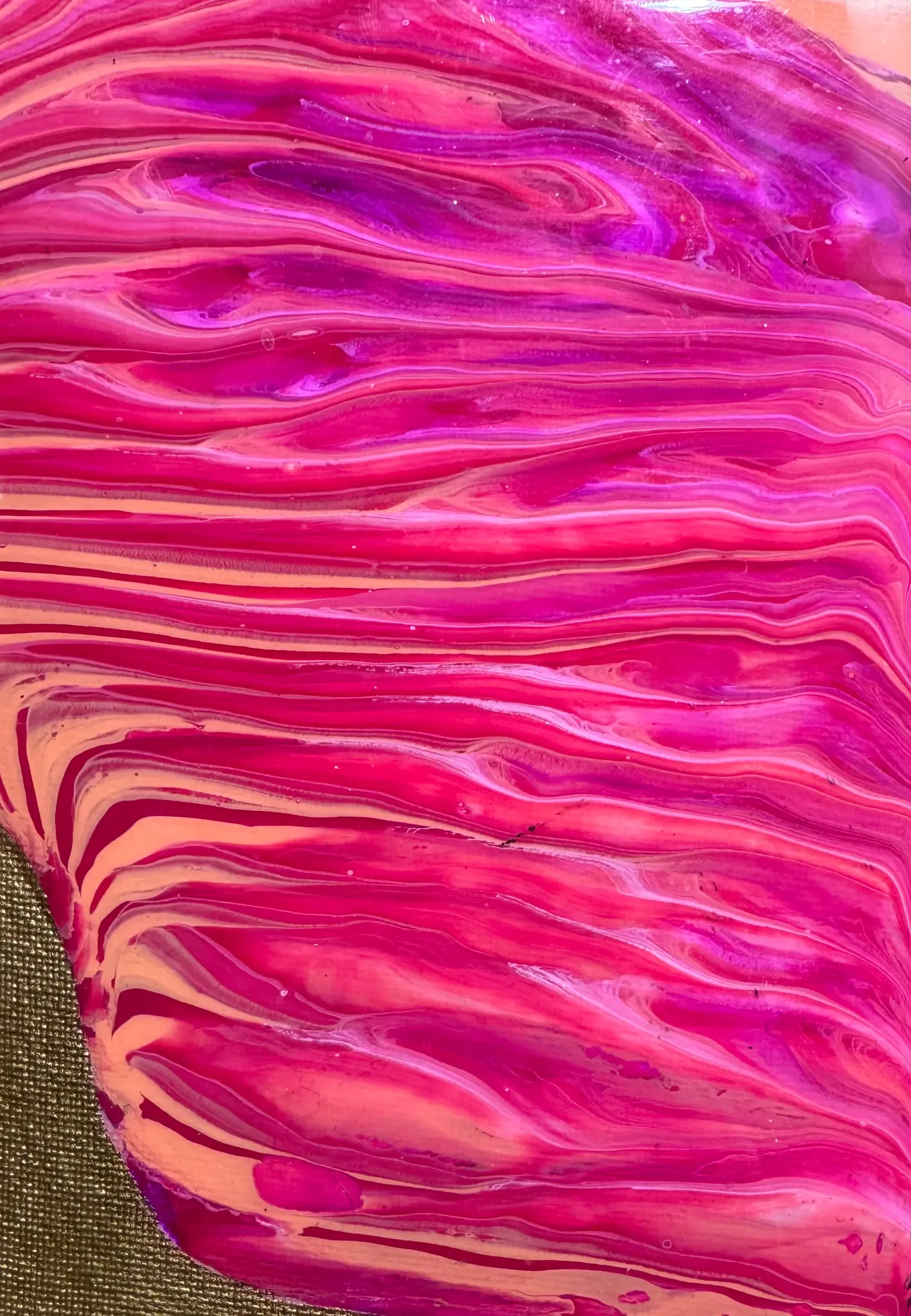
Strength & Power
Acrylic pour on canvas
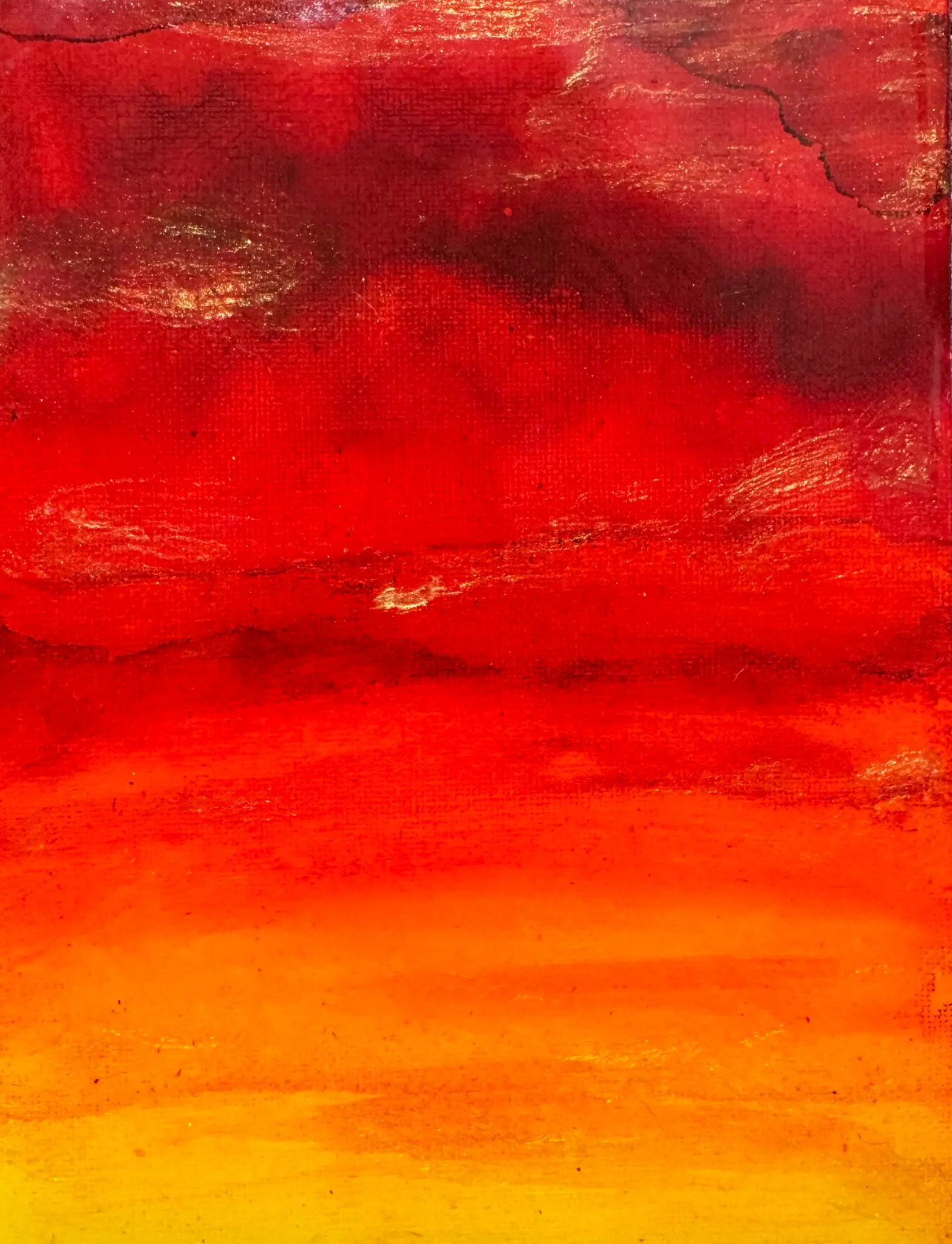
Happy & Joy
Acrylic on canvas
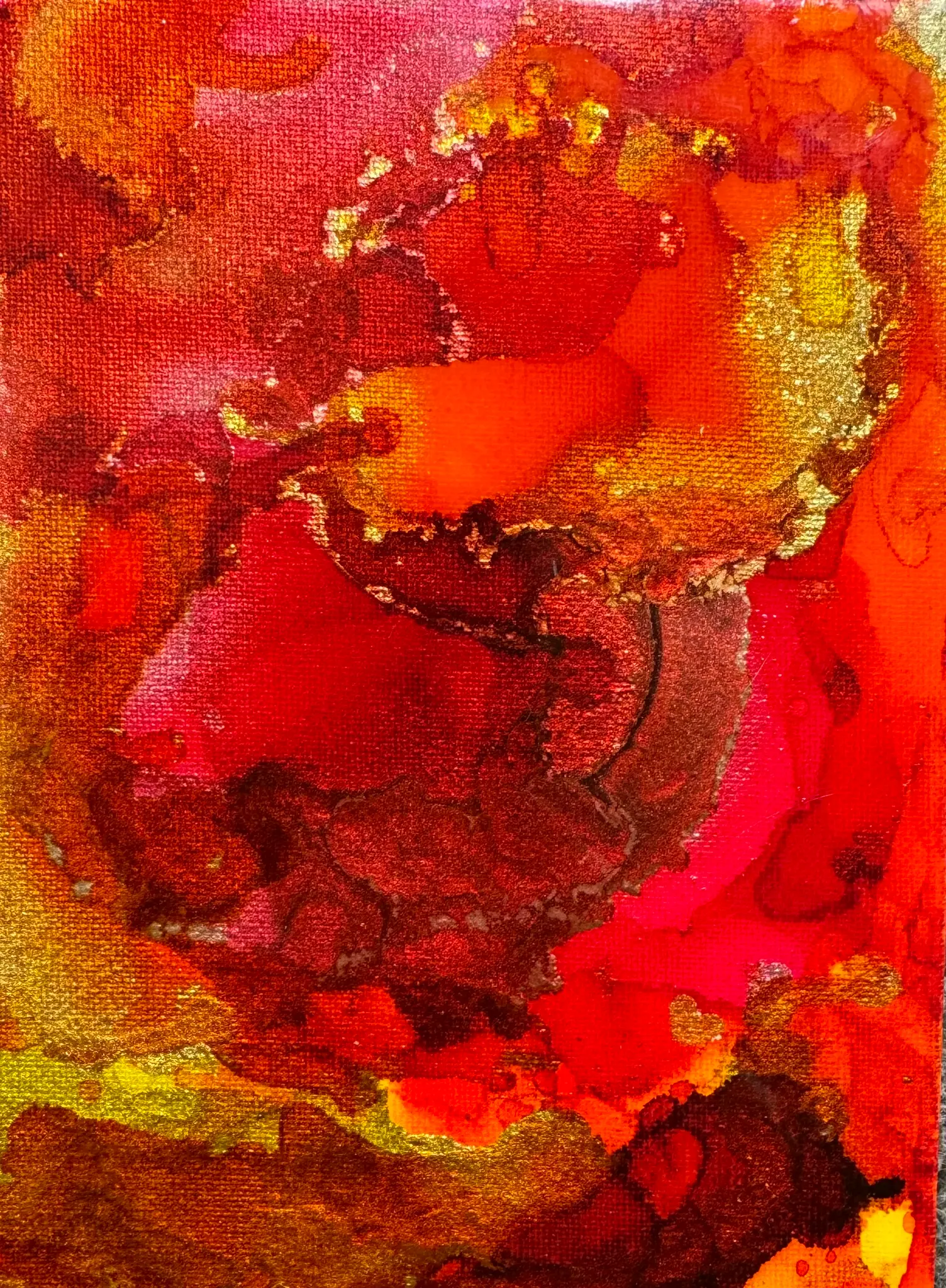
Love & Connection
Alcohol ink & resin
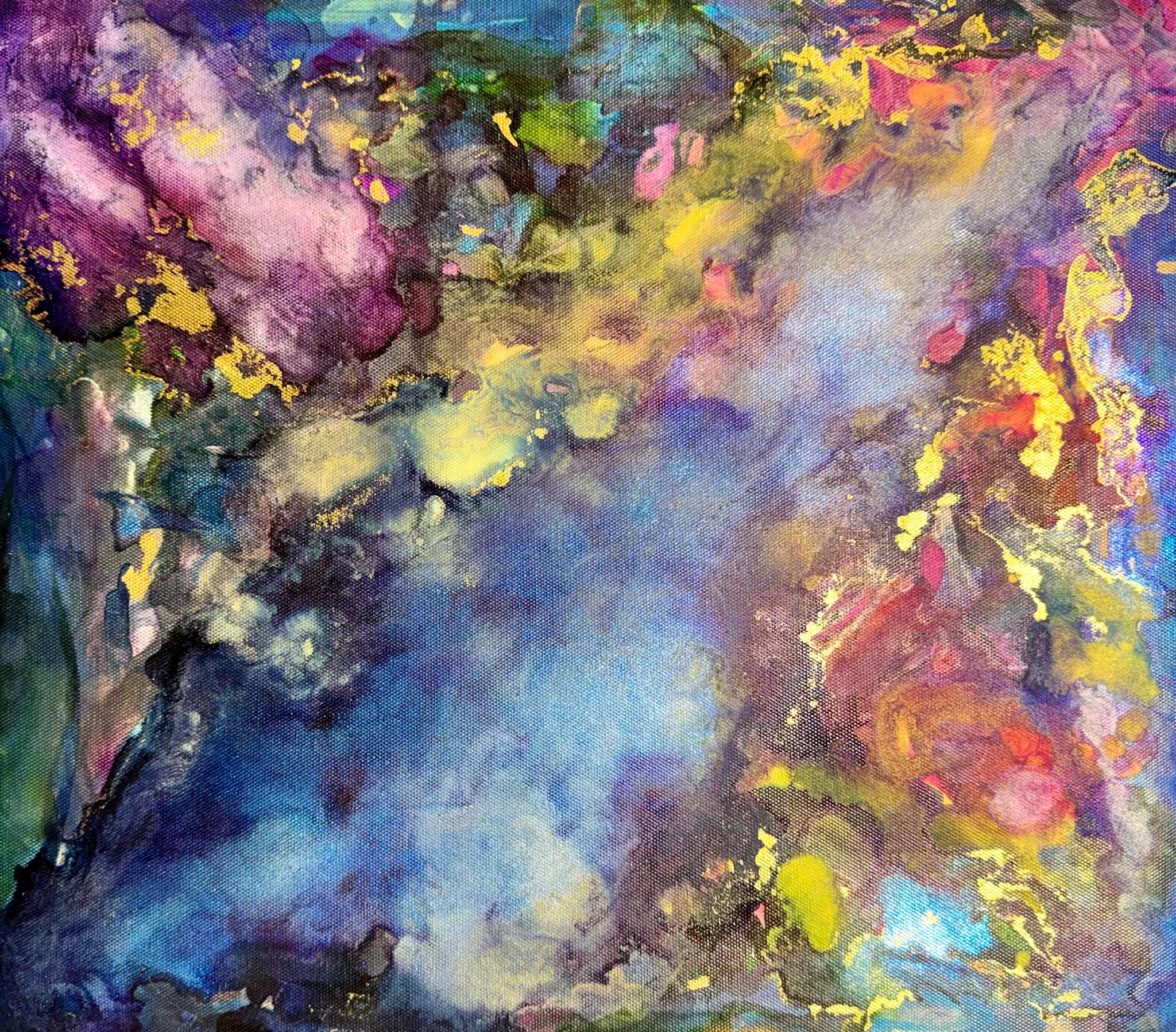
Money & Abundance
Acrylic & alcohol ink
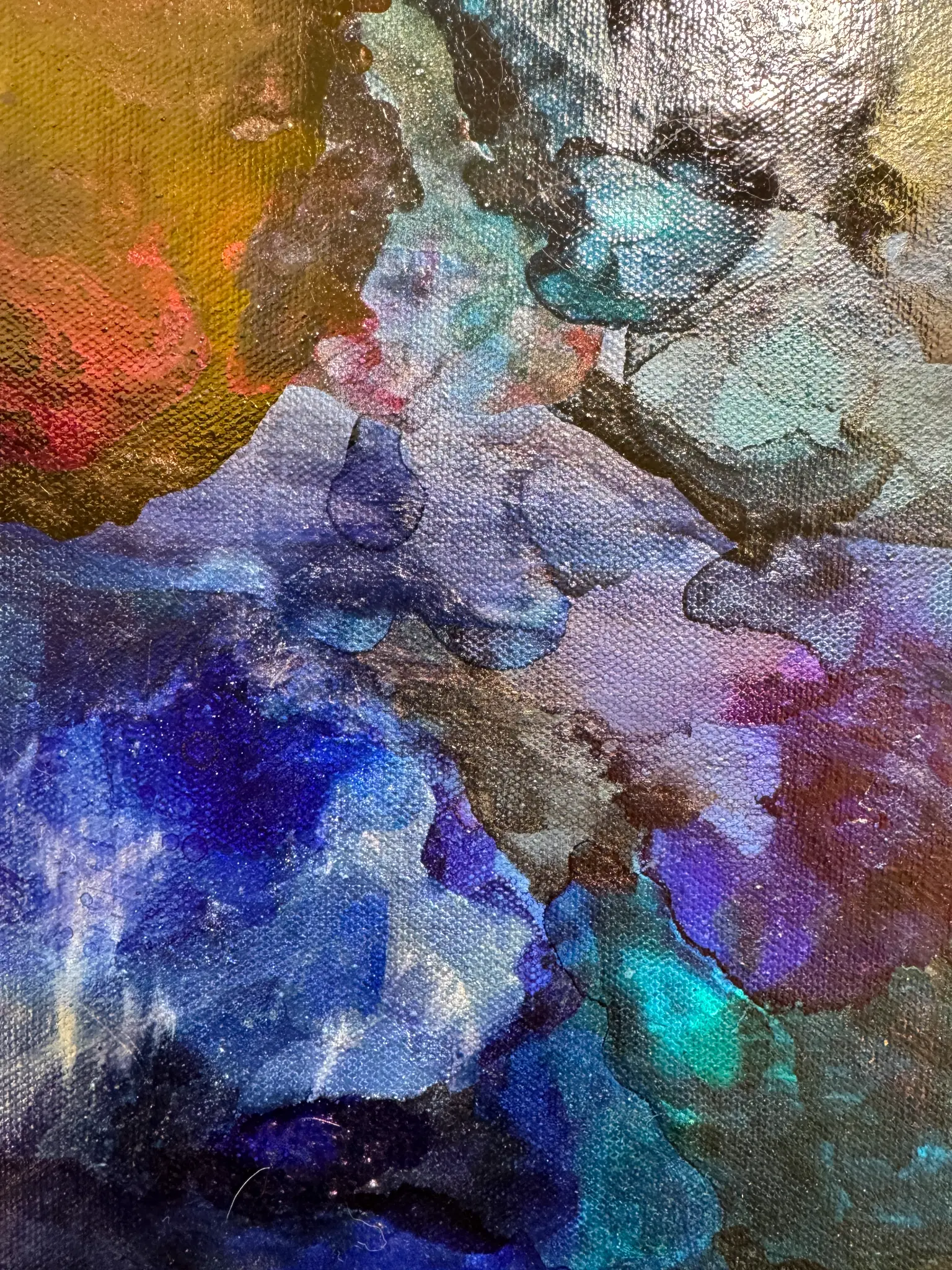
Health & Vitality
Alcohol ink on canvas
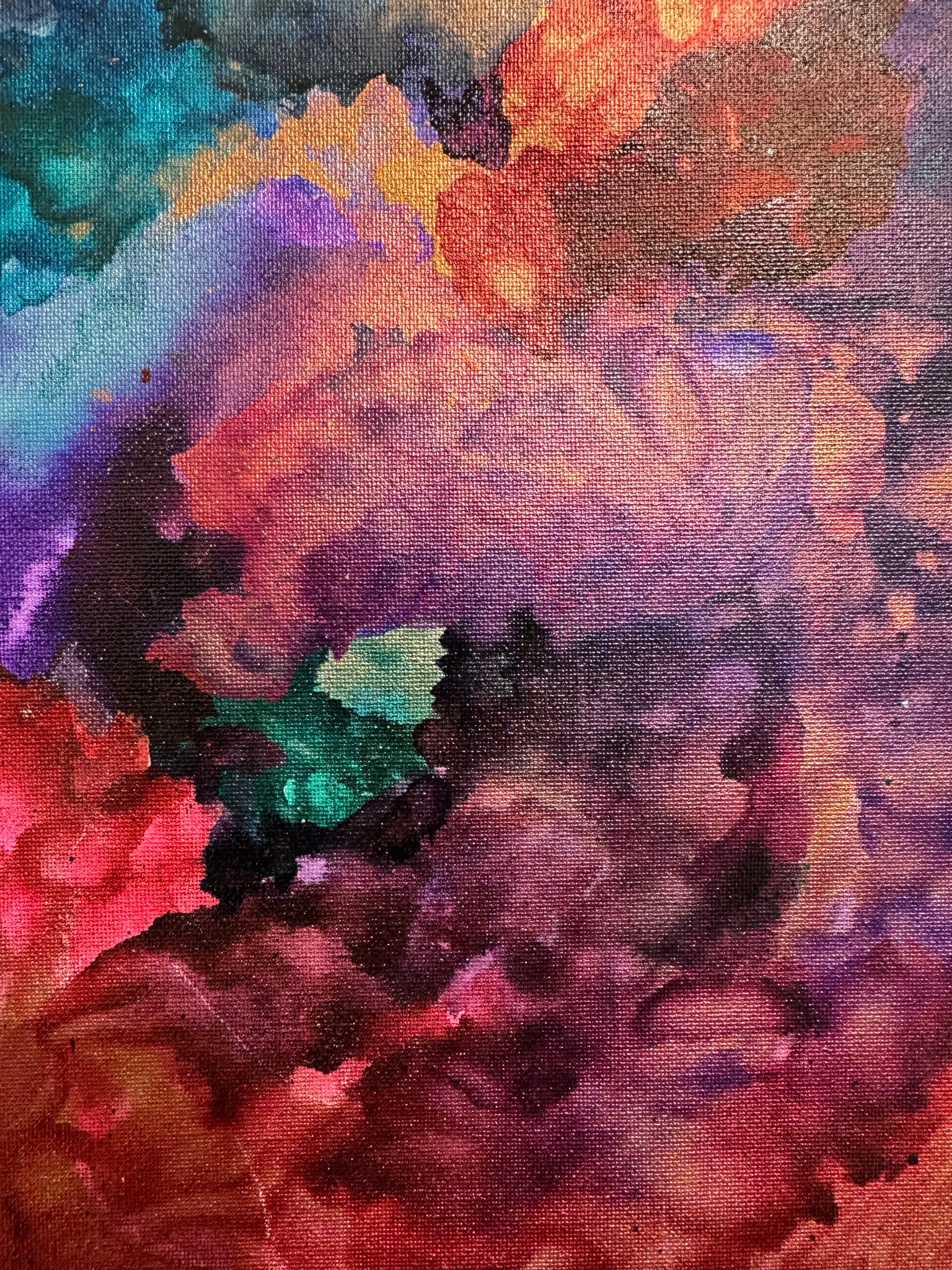
Wealth & Prosperity
Alcohol ink & resin
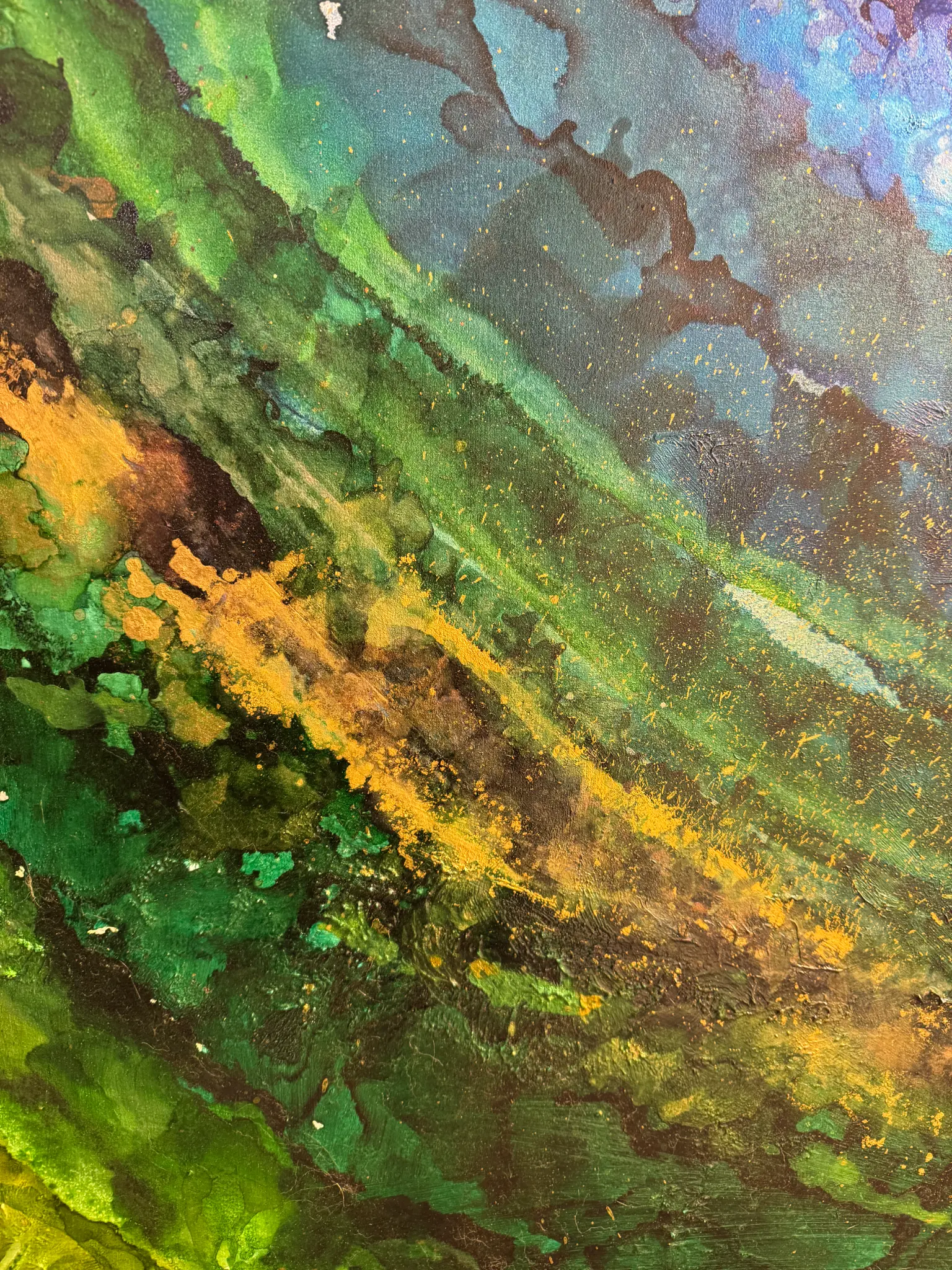
Home & Security
Acrylic & alcohol ink
Original Works
All 7 pieces exist as physical originals. The digital collection was built on top of them.
Why Transparency
The NFT space has a trust problem. Collectors have been burned by projects that overpromised, under-delivered, or quietly abandoned their mechanics after mint. We wanted to do the opposite.
This page exists because we believe collectors deserve to know exactly what they are buying into. Not just the art, not just the price — but the actual system underneath. How it works. What it depends on. What could break and how we have protected against it. What we struggled with and how we solved it.
The awakening mechanic is real and it is running. You can verify it yourself: check any token on Magic Eden at 3:30 AM or PM EST and watch the image change. Check it again at 3:34 and watch it return. The system does not require trust — it requires only a clock.
The collection will keep awakening for as long as the Vercel API is live and the mint site server is running. Those are the two dependencies. We are committed to maintaining both. If anything ever changes, we will communicate it directly and publicly.
333 tokens. 7 themes. Two awakenings a day. Every day. Forever.
Ready to be part of it?
Mint Your Token
333 tokens. $3.33. One of 7 manifestation themes. Awakens at 3:30–3:33 AM and PM EST, every day.
BACK TO MINT